Business Name: BeeHive Homes of Portales
Address: 1420 S Main Ave, Portales, NM 88130
Phone: (505) 591-7025
BeeHive Homes of Portales
Beehive Homes of Portales assisted living is ideal for those who value their independence but require help with some of the activities of daily living. Residents enjoy 24-hour support, private bedrooms with baths, medication monitoring, home-cooked meals, housekeeping and laundry services, social activities and outings, and daily physical and mental exercise opportunities. Beehive Homes memory care services accommodates the growing number of seniors affected by memory loss and dementia. Beehive Homes offers respite (short-term) care for your loved one should the need arise. Whether help is needed after a surgery or illness, for vacation coverage, or just a break from the routine, respite care provides you peace of mind for any length of stay.
1420 S Main Ave, Portales, NM 88130
Business Hours
Monday thru Sunday: 9:00am to 5:00pm
TikTok: https://tiktok.com/@beehive.home.of.portales
YouTube: https://www.youtube.com/@WelcomeHomeBeeHiveHomes
Facebook: https://www.facebook.com/BeeHiveHomesOfPortales
Instagram: https://www.instagram.com/beehivehomesofportales/
Families generally discover the very first signs during regular moments. A missed turn on a familiar drive. A pot left on the stove. An uncharacteristic modification in mood that sticks around. Dementia goes into a household quietly, then improves every regimen. The ideal response is hardly ever a single choice or a one-size strategy. It is a series of thoughtful modifications, made with the individual's self-respect at the center, and notified by how the illness advances. Memory care neighborhoods exist to help families make those changes safely and sustainably. When chosen well, they offer structure without rigidness, stimulation without overwhelm, and genuine relief for spouses, adult kids, and pals who have actually been juggling love with constant vigilance.
This guide distills what matters most from years of strolling families through the shift, going to dozens of neighborhoods, and gaining from the daily work of care groups. It takes a look at when memory care becomes suitable, what quality support looks like, how assisted living intersects with specialized dementia care, how respite care can be a lifeline, and how to balance security with a life still worth living.
Understanding the development and its practical consequences
Dementia is not a single illness. Alzheimer's illness accounts for a majority of cases. Vascular dementia, Lewy body dementia, and frontotemporal dementia have different patterns. The labels matter less everyday than the modifications you see at home: memory loss that disrupts regular, problem with sequencing jobs, misinterpreted environments, reduced judgment, and changes in attention or mood.
Early on, an individual may compensate well. Sticky notes, a shared calendar, and a medication set can assist. The dangers grow when problems connect. For example, mild memory loss plus slower processing can turn kitchen chores into a hazard. Reduced depth perception coupled with arthritis can make stairs unsafe. An individual with Lewy body dementia may have vibrant visual hallucinations; arguing with the perception rarely assists, however changing lighting and lowering visual mess can.
A useful general rule: when the energy needed to keep somebody safe at home surpasses what the household can offer consistently, it is time to consider different assistances. This is not a failure of love. It is an acknowledgment that dementia moves both the care requirements and the caregiver's capability, typically in irregular steps.
What "memory care" actually offers
Memory care describes residential settings developed particularly for individuals dealing with dementia. Some exist as dedicated areas within assisted living neighborhoods. Others are standalone structures. The best ones blend predictable structure with customized attention.
Design functions matter. A assisted living secure perimeter decreases elopement risk without feeling punitive. Clear sightlines allow staff to observe discreetly. Circular walking paths provide purposeful motion. Contrasting colors at flooring and wall limits help with depth understanding. Lifecycle kitchen areas and laundry areas are typically locked or monitored to get rid of risks while still permitting meaningful jobs, such as folding towels or sorting napkins, to be part of the day.
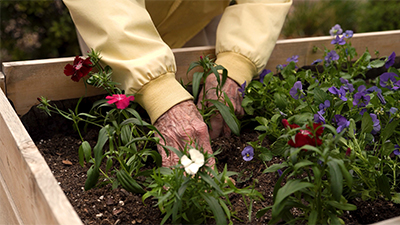
Programming is not home entertainment for its own sake. The aim is to keep abilities, lower distress, and create moments of success. Short, familiar activities work best. Baking muffins on Wednesday early mornings. Mild workout with music that matches the age of a resident's young adulthood. A gardening group that tends simple herbs and marigolds. The specifics matter less than the foreseeable rhythm and the respect for each individual's preferences.
Staff training distinguishes real memory care from general assisted living. Staff member should be versed in acknowledging pain when a resident can not verbalize it, rerouting without confrontation, supporting bathing and dressing with very little distress, and responding to sundowning with adjustments to light, sound, and schedule. Ask about staffing ratios throughout both day and overnight shifts, the average tenure of caregivers, and how the team interacts changes to families.
Assisted living, memory care, and how they intersect
Families frequently begin in assisted living because it provides help with daily activities while preserving self-reliance. Meals, housekeeping, transportation, and medication management decrease the load. Numerous assisted living neighborhoods can support citizens with mild cognitive impairment through tips and cueing. The tipping point usually gets here when cognitive changes develop security risks that basic assisted living can not alleviate safely or when behaviors like roaming, recurring exit-seeking, or considerable agitation surpass what the environment can handle.
Some communities offer a continuum, moving homeowners from assisted living to a memory care neighborhood when needed. Connection assists, since the individual recognizes some faces and designs. Other times, the very best fit is a standalone memory care building with tighter training, more sensory-informed style, and a program developed completely around dementia. Either technique can work. The deciding factors are an individual's symptoms, the staff's competence, household expectations, and the culture of the place.
Safety without removing away autonomy
Families naturally focus on avoiding worst-case situations. The obstacle is to do so without erasing the person's company. In practice, this implies reframing safety as proactive style and choice architecture, not blanket restriction.
If someone loves walking, a safe and secure courtyard with loops and benches provides freedom of movement. If they crave function, structured roles can channel that drive. I have actually seen homeowners flower when provided a day-to-day "mail route" of providing community newsletters. Others take pride in setting placemats before lunch. Real memory care tries to find these opportunities and documents them in care plans, not as busywork however as meaningful occupations.
Technology assists when layered with human judgment. Door sensors can inform personnel if a resident exits late during the night. Wearable trackers can locate an individual if they slip beyond a border. So can basic ecological hints. A mural that looks like a bookcase can prevent entry into staff-only locations without a locked indication that feels scolding. Excellent design reduces friction, so staff can invest more time interesting and less time reacting.
Medical and behavioral complexities: what proficient care looks like
Primary care needs do not disappear. A memory care community should coordinate with doctors, physiotherapists, and home health suppliers. Medication reconciliation should be a routine, not an afterthought. Polypharmacy creeps in quickly when various doctors include treatments to manage sleep, state of mind, or agitation. A quarterly evaluation can capture duplications or interactions.
Behavioral symptoms prevail, not aberrations. Agitation frequently signifies unmet requirements: appetite, discomfort, monotony, overstimulation, or an environment that is too cold or bright. An experienced caretaker will search for patterns and change. For instance, if Mr. F becomes agitated at 3 p.m., a peaceful space with soft light and a tactile activity might avoid escalation. If Ms. K declines showers, a warm towel, a preferred tune, and using choices about timing can minimize resistance. Antipsychotics and sedatives have functions in narrow situations, but the first line should be ecological and relational strategies.
Falls happen even in properly designed settings. The quality indicator is not no incidents; it is how the team responds. Do they complete root cause analyses? Do they change footwear, review hydration, and work together with physical therapy for gait training? Do they utilize chair and bed alarms carefully, or blanketly?
The function of family: remaining present without burning out
Moving into memory care does not end household caregiving. It changes it. Many relatives explain a shift from minute-by-minute watchfulness to relationship-focused time. Rather of counting pills and chasing after appointments, gos to center on connection.
A few practices aid:
- Share a personal history picture with the staff: labels, work history, preferred foods, family pets, crucial relationships, and subjects to avoid. A one-page Life Story makes introductions simpler and lowers missteps. Establish a communication rhythm. Agree on how and when personnel will upgrade you about changes. Choose one main contact to minimize crossed wires. Bring little, turning comforts: a soft cardigan, a picture book, familiar cream, a preferred baseball cap. Too many products simultaneously can overwhelm. Visit sometimes that match your loved one's finest hours. For lots of, late morning is calmer than late afternoon. Help the neighborhood adapt unique traditions instead of recreating them perfectly. A short holiday visit with carols might succeed where a long household supper frustrates.
These are not guidelines. They are beginning points. The larger advice is to permit yourself to be a child, daughter, partner, or friend once again, not just a caretaker. That shift restores energy and often strengthens the relationship.
When respite care makes a decisive difference
Respite care is a short-term stay in an assisted living or memory care setting. Some households use it for a week while a caregiver recovers from surgery or goes to a wedding throughout the country. Others build it into their year: three or 4 overnight stays spread throughout seasons to avoid burnout. Communities with devoted respite suites normally need a minimum stay period, frequently 7 to 2 week, and an existing medical assessment.
Respite care serves two functions. It offers the primary caregiver genuine rest, not just a lighter day. It also gives the individual with dementia an opportunity to experience a structured environment without the pressure of permanence. Families often discover that their loved one sleeps better throughout respite, since routines correspond and nighttime roaming gets gentle redirection. If a permanent relocation ends up being needed, the transition is less jarring when the faces and regimens are familiar.
Costs, contracts, and the mathematics families really face
Memory care costs differ widely by region and by community. In many U.S. markets, base rates for memory care range from the mid-$4,000 s to $9,000 or more per month. Rates designs vary. Some neighborhoods provide all-encompassing rates that cover care, meals, and shows with very little add-ons. Others start with a base rent and include tiered care charges based on evaluations that measure support with bathing, dressing, transfers, continence, and medication.
Hidden expenses are avoidable if you read the files carefully and ask particular questions. What sets off a relocation from one care level to another? How typically are assessments performed, and who chooses? Are incontinence materials consisted of? Exists a rate lock duration? What is the policy on third-party home health or hospice service providers in the structure, and exist coordination fees?
Long-term care insurance coverage might offset expenses if the policy's benefit triggers are fulfilled. Veterans and enduring spouses may get approved for Help and Presence. Medicaid programs can cover memory care in some states through waivers, though accessibility and waitlists vary. It deserves a discussion with a state-certified counselor or an elder law attorney to check out choices early, even if you plan to pay privately for a time.
Evaluating communities with eyes open
Websites and tours can blur together. The lived experience of a neighborhood appears in details.
Watch the corridors, not just the lobby. Are locals engaged in small groups, or do they sit dozing in front of a tv? Listen for how personnel speak with homeowners. Do they utilize names and describe what they are doing? Do they squat to eye level, or rush from job to job? Odors are not insignificant. Periodic odors happen, but a relentless ammonia scent signals staffing or systems issues.
Ask about personnel turnover. A team that stays develops relationships that reduce distress. Ask how the neighborhood manages medical appointments. Some have in-house medical care and podiatry, a benefit that conserves families time and minimizes missed medications. Check the graveyard shift. Overnight is when understaffing shows. If possible, visit at different times of day without an appointment.
Food tells a story. Menus can look charming on paper, however the evidence is on the plate. Visit during a meal. Watch for dignified help with eating and for modified diets that still look attractive. Hydration stations with infused water or tea encourage consumption better than a water pitcher half out of reach.
Finally, inquire about the tough days. How does the group deal with a resident who strikes or shouts? When is an individually caretaker utilized? What is the limit for sending someone out to the health center, and how does the neighborhood prevent avoidable transfers? You desire honest, unvarnished responses more than a clean brochure.
Transition preparation: making the relocation manageable
A move into memory care is both logistical and emotional. The individual with dementia will mirror the tone around them, so calm, simple messaging assists. Concentrate on favorable truths: this location has excellent food, people to do activities with, and staff to help you sleep. Prevent arguments about capability. If they state they do not need help, acknowledge their strengths while describing the assistance as a convenience or a trial.
Bring less products than you believe. A well-chosen set of clothes, a favorite chair if area allows, a quilt from home, and a little choice of pictures offer convenience without clutter. Label everything with name and space number. Deal with personnel to set up the space so items show up and reachable: shoes in a single spot, toiletries in a basic caddy, a light with a big switch.
The initially 2 weeks are a change duration. Anticipate calls about little difficulties, and offer the group time to discover your loved one's rhythms. If a behavior emerges, share what has actually worked at home. If something feels off, raise it early and collaboratively. The majority of communities welcome a care conference within 1 month to fine-tune the plan.
Ethical tensions: permission, truthfulness, and the borders of redirecting
Dementia care consists of minutes where plain facts can cause damage. If a resident believes their long-deceased mother lives, informing the fact candidly can retraumatize. Validation and mild redirection typically serve better. You can react to the feeling rather than the unreliable detail: you miss your mother, she was necessary to you. Then move toward a reassuring activity. This approach respects the person's truth without inventing sophisticated falsehoods.
Consent is nuanced. A person might lose the capability to understand intricate info yet still express choices. Good memory care neighborhoods include supported decision-making. For instance, rather than asking an open-ended concern about bathing, use 2 choices: warm shower now or after lunch. These structures preserve autonomy within safe bounds.
Families in some cases disagree internally about how to manage these concerns. Set guideline for communication and designate a healthcare proxy if you have not already. Clear authority minimizes conflict at tough moments.
The long arc: preparing for changing needs
Dementia is progressive. The objectives of care shift gradually from maintaining self-reliance, to optimizing comfort and connection, to focusing on peacefulness near completion of life. A neighborhood that teams up well with hospice can make the final months kinder. Hospice does not indicate giving up. It adds a layer of support: specialized nurses, assistants focused on comfort, social employees who aid with grief and useful matters, and pastors if desired.
Ask whether the neighborhood can supply two-person transfers if movement decreases, whether they accommodate bed-bound citizens, and how they manage feeding when swallowing ends up being hazardous. Some households choose to prevent feeding tubes, choosing hand feeding as tolerated. Discuss these choices early, record them, and review as truth changes.
The caregiver's health becomes part of the care plan
I have watched dedicated partners press themselves previous exhaustion, persuaded that no one else can do it right. Love like that deserves to last. It can not if the caregiver collapses. Construct respite, accept deals of help, and recognize that a well-chosen memory care neighborhood is not a failure, it is an extension of your care through other trained hands. Keep your own medical appointments. Move your body. Consume genuine food. Seek a support system. Talking with others who comprehend the roller rollercoaster of guilt, relief, unhappiness, and even humor can steady you. Numerous communities host household groups open up to non-residents, and regional chapters of Alzheimer's organizations maintain listings.
Practical signals that it is time to move
Families often request a checklist, not to change judgment but to frame it. Consider these recurring signals:
- Frequent roaming or exit-seeking that requires constant tracking, especially at night. Weight loss or dehydration despite suggestions and meal support. Escalating caregiver stress that produces errors or health concerns in the caregiver. Unsafe behaviors with home appliances, medications, or driving that can not be reduced at home. Social isolation that aggravates mood or disorientation, where structured shows might help.
No single product dictates the decision. Patterns do. If two or more of these persist regardless of strong effort and sensible home adjustments, memory care is worthy of serious consideration.
What a good day can still look like
Dementia narrows possibilities, but an excellent day remains possible. I keep in mind Mr. L, a retired machinist who grew agitated around midafternoon. Personnel understood the clatter of dishes in the open kitchen area set off memories of factory sound. They moved his seat and provided a basket of big nuts and bolts to sort, a familiar rhythm for his hands. His other half began visiting at 10 a.m. with a crossword and coffee. His restlessness reduced. There was no miracle cure, only cautious observation and modest, consistent adjustments that respected who he was.
That is the essence of memory care succeeded. It is not glossy features or themed design. It is the craft of observing, the discipline of routine, the humility to test and change, and the dedication to self-respect. It is the promise that security will not eliminate self, and that families can breathe again while still being present.
A final word on selecting with confidence
There are no ideal alternatives, only better suitable for your loved one's requirements and your household's capacity. Try to find neighborhoods that feel alive in little ways, where personnel know the resident's pet dog's name from 30 years earlier and likewise know how to safely help a transfer. Pick locations that invite concerns and do not flinch from tough topics. Use respite care to trial the fit. Expect bumps and evaluate the action, not just the problem.
Most of all, keep sight of the individual at the center. Their preferences, peculiarities, and stories are not footnotes to a medical diagnosis. They are the plan for care. Assisted living can extend self-reliance. Memory care can safeguard self-respect in the face of decline. Respite care can sustain the entire circle of support. With these tools, the path through dementia ends up being accessible, not alone, and still filled with moments worth savoring.
BeeHive Homes of Portales provides assisted living care
BeeHive Homes of Portales provides memory care services
BeeHive Homes of Portales provides respite care services
BeeHive Homes of Portales supports assistance with bathing and grooming
BeeHive Homes of Portales offers private bedrooms with private bathrooms
BeeHive Homes of Portales provides medication monitoring and documentation
BeeHive Homes of Portales serves dietitian-approved meals
BeeHive Homes of Portales provides housekeeping services
BeeHive Homes of Portales provides laundry services
BeeHive Homes of Portales offers community dining and social engagement activities
BeeHive Homes of Portales features life enrichment activities
BeeHive Homes of Portales supports personal care assistance during meals and daily routines
BeeHive Homes of Portales promotes frequent physical and mental exercise opportunities
BeeHive Homes of Portales provides a home-like residential environment
BeeHive Homes of Portales creates customized care plans as residents’ needs change
BeeHive Homes of Portales assesses individual resident care needs
BeeHive Homes of Portales accepts private pay and long-term care insurance
BeeHive Homes of Portales assists qualified veterans with Aid and Attendance benefits
BeeHive Homes of Portales encourages meaningful resident-to-staff relationships
BeeHive Homes of Portales delivers compassionate, attentive senior care focused on dignity and comfort
BeeHive Homes of Portales has a phone number of (505) 591-7025
BeeHive Homes of Portales has an address of 1420 S Main Ave, Portales, NM 88130
BeeHive Homes of Portales has a website https://beehivehomes.com/locations/portales/
BeeHive Homes of Portales has Google Maps listing https://maps.app.goo.gl/1xZDfURp3wt4uv3T6
BeeHive Homes of Portales has TikTok page https://tiktok.com/@beehive.home.of.portales
BeeHive Homes of Portales has an YouTube page https://www.youtube.com/@WelcomeHomeBeeHiveHomes
BeeHive Homes of Portales has Facebook page https://www.facebook.com/BeeHiveHomesOfPortales
BeeHive Homes of Portales has Instagram page https://www.instagram.com/beehivehomesofportales/
BeeHive Homes of Portales won Top Assisted Living Homes 2025
BeeHive Homes of Portales earned Best Customer Service Award 2024
BeeHive Homes of Portales placed 1st for New Mexico Senior Living Communities 2025
People Also Ask about BeeHive Homes of Portales
What is BeeHive Homes of Portales Living monthly room rate?
The rate depends on the level of care that is needed. We do a pre-admission evaluation for each resident to determine the level of care needed. The monthly rate is based on this evaluation. There are no hidden costs or fees
Can residents stay in BeeHive Homes of Portales until the end of their life?
Usually yes. There are exceptions, such as when there are safety issues with the resident, or they need 24 hour skilled nursing services
Do we have a nurse on staff?
No, but each BeeHive Home has a consulting Nurse available 24 – 7. if nursing services are needed, a doctor can order home health to come into the home
What are BeeHive Homes of Portales's visiting hours?
Visiting hours are adjusted to accommodate the families and the resident’s needs… just not too early or too late
Do we have couple’s rooms available?
Yes, each home has rooms designed to accommodate couples. Please ask about the availability of these rooms
Where is BeeHive Homes of Portales located?
BeeHive Homes of Portales is conveniently located at 1420 S Main Ave, Portales, NM 88130. You can easily find directions on Google Maps or call at (505) 591-7025 Monday through Sunday 9:00am to 5:00pm
How can I contact BeeHive Homes of Portales?
You can contact BeeHive Homes of Portales by phone at: (505) 591-7025, visit their website at https://beehivehomes.com/locations/portales/ or connect on social media via TikTok Facebook or YouTube
Take a drive to Do Drop In Cafe. Do Drop In Café offers a welcoming diner atmosphere ideal for assisted living, memory care, senior care, elderly care, and respite care breakfasts or lunches.